

Gale Contractor Services: Portland, Oregon’s Trusted Installation Contractors

Gale Contractor Services
Branch Information
Branch Hours
| MON | 7AM – 3:30PM |
| TUE | 7AM – 3:30PM |
| WED | 7AM – 3:30PM |
| THU | 7AM – 3:30PM |
| FRI | 7AM – 3:30PM |
| SAT | Closed |
| SUN | Closed |
Popular Portland Installation Services
Are you looking for a contractor near you in Portland? Gale Contractor Services is located at 15865 SW 74th Ave, Ste 115, Tigard, OR and serves our local community with best-in-class installation contractors. Our team of local installers can help with a variety of projects while remaining committed to cleanliness, safety, and meeting your budgets and timelines. Contact Gale Contractor Services for a free quote today!


Who We Serve

Homeowners

Your home is your biggest investment, and TruTeam is your trusted partner for any project. TruTeam's local, skilled, professional installers provide exceptional value and peace of mind.
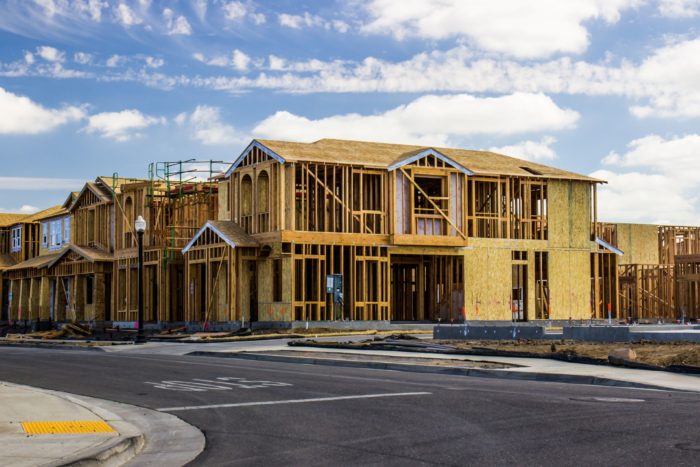
Home Builders
Whether you build homes or multifamily dwellings, TruTeam's local, skilled professionals keep projects on budget and on time.
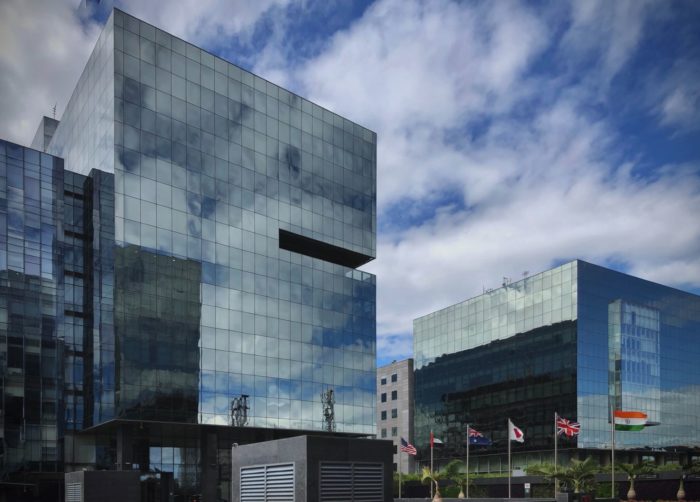
Commercial Builders
TruTeam is your strategic partner for all your commercial building needs. We offer quality, on-time delivery in verticals that include office buildings, arenas, skyscrapers, and more.
Your Neighborhood Trusted Installation Contractors in Portland
As a homeowner, you can trust the installation experts at Gale Contractor Services to be your partner on any home improvement project. Our installers live and work locally in the Portland area, and as a TruTeam company, we have the added advantage and resources of a national company and distribution system. Use our products and installation skills to improve your home’s value and comfort. Contact Gale Contractor Services today to learn more about our comprehensive residential installation services.
Portland’s Trusted Installation Contractors for New Home Builders
Every home you build or remodel has your name on it. You can count on Gale Contractor Services and our professional installers to protect your reputation in the Portland area. As a TruTeam company, we are backed by the resources of a national company and a nationwide distribution system of high quality building materials. Count on Gale Contractor Services as your go-to provider of installation services near Portland.
Expert Installation Services for Commercial Builders in Portland
Trust Gale Contractor Services for all your commercial building needs in the Portland area. No matter the size or scale of your commercial project, the installation professionals at Gale Contractor Services can help. As a local TruTeam branch, we have access to a national network of building material suppliers, ensuring that commercial builders receive competitive pricing and high quality products. Give Gale Contractor Services a call today for a free estimate on our commercial installation services.
The Team You Can Trust
Get Free Quote
Nationwide
Network

Safety First
Culture

Thousands of
Expert
Installers
Installers
Millions
of Projects
Completed
Areas We Serve
Serving the greater Portland Area
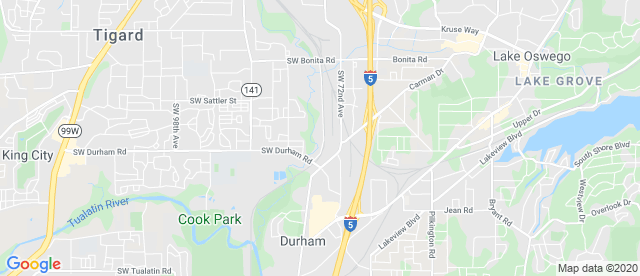
Counties and Cities Served
- Multnomah County
- Washington County
- Beaverton
- Forest Grove
- Hillsboro
- Lake Oswego
- Portland
- Sherwood